
Southeast Texas Urban Integrated Field Laboratory
Equitable Solutions for Communities Caught between Floods and Air Pollution
About Us
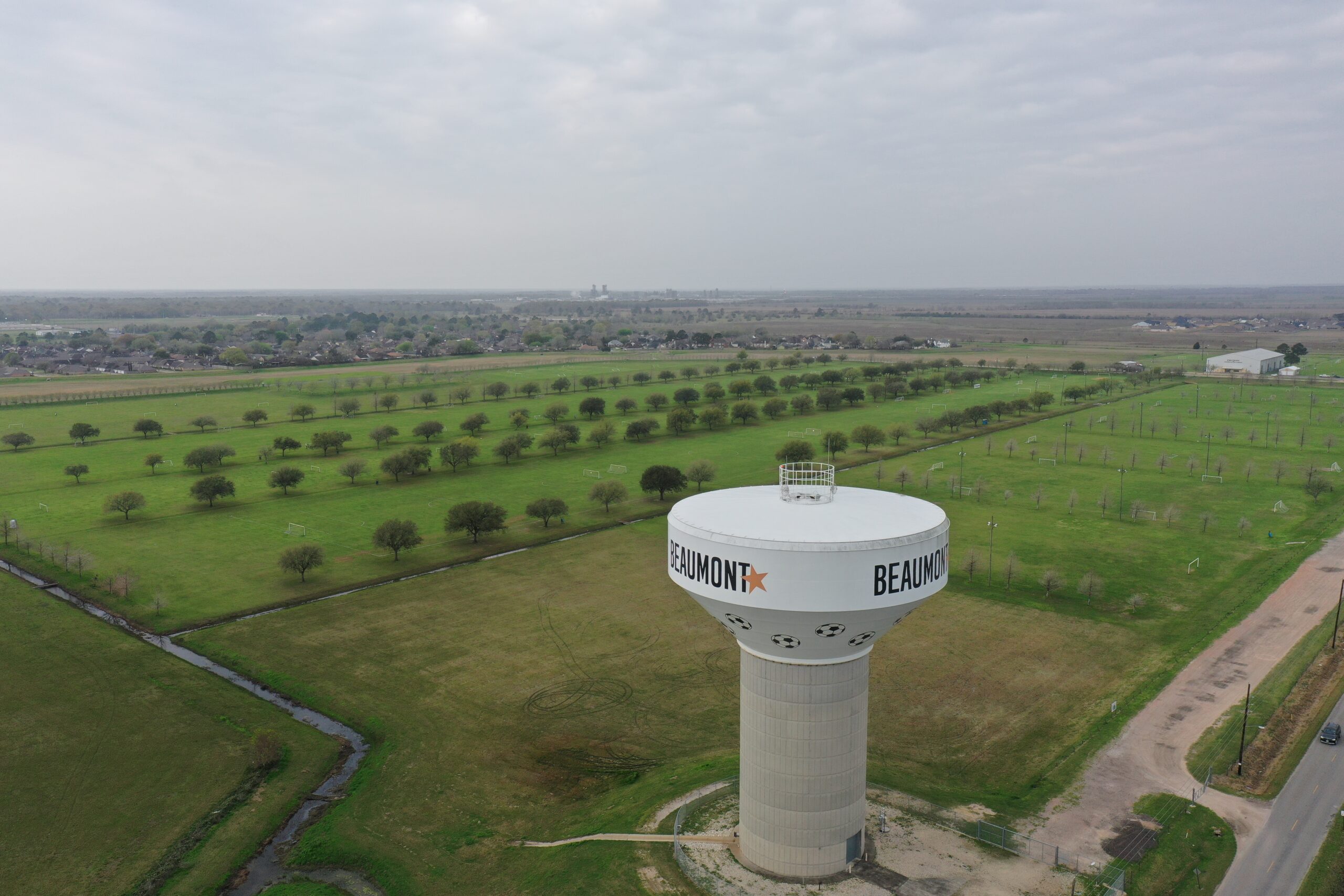
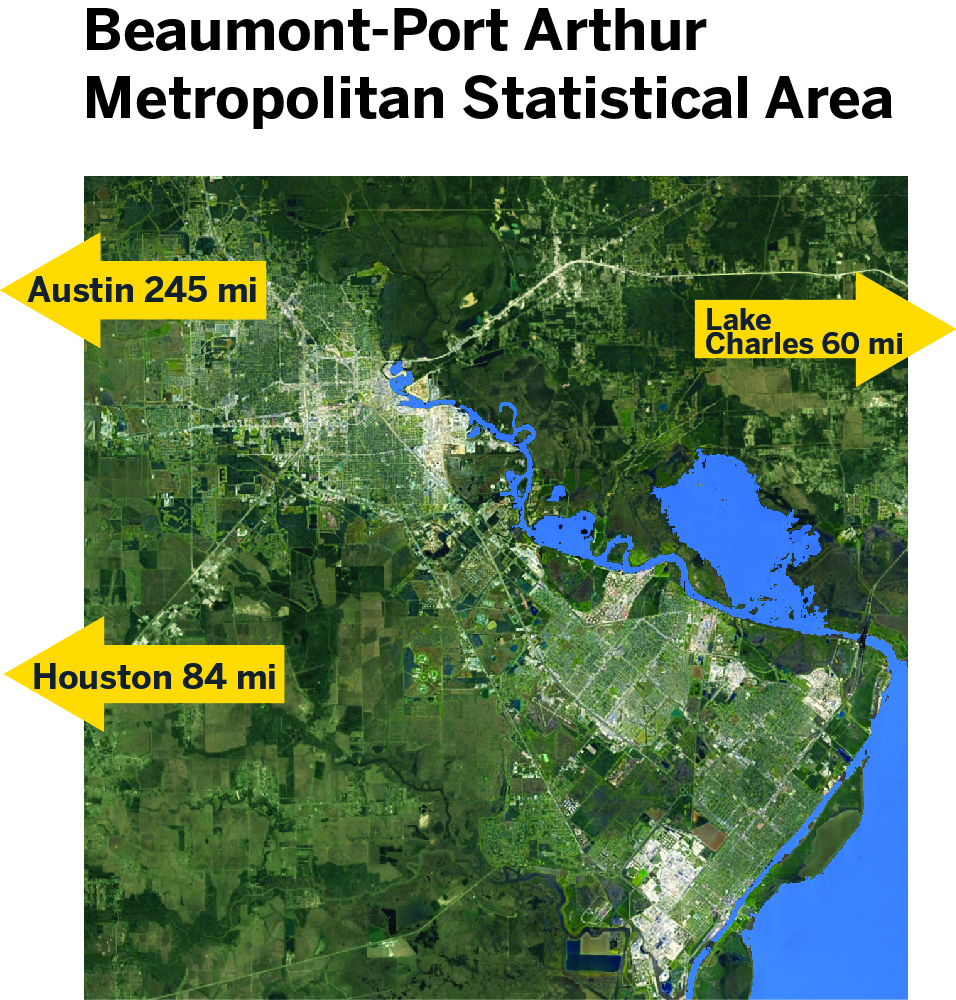
Southeast Texas Urban Integrated Field Lab (SETx-UIFL) is one of four Urban Integrated Field Laboratories awarded in the Fall 2022 by the Biological and Environmental Research Program, Office of Science, U.S. Department of Energy. The Southeast Texas region, or the Beaumont-Port Arthur area, represent urban conditions and challenges similar to other Gulf Coast communities with industrial facilities, and population change with fewer resources available than larger cities.
Our Mission
Our mission is to better understand current and future impacts from flooding and air pollution in Southeast Texas and the Gulf Coast region using measurements, modeling, and community experiences and to co-develop applicable and equitable adaptation strategies with local partners.
Our Team

SETX-UIFL team led by the University of Texas at Austin comprises members from Lamar University, Texas A&M University, Prairie View A&M University, and Oak Ridge National Laboratory. We integrate expertise in hydrology, climate science, biogeochemistry, sociology, urban planning, and engineering with localized community knowledge.
Participating Institutions






“Understanding the risks of climate change and extreme weather means understanding the direct and indirect effects on people, their homes, their businesses, and the communities they live in.“
Jennifer Granholm
U.S. Secretary of Energy
News
- ESIIL 2026
 The Serotinous Problem — ESIIL Summit 2026 The Serotinous Problem: On AI, Sustainability, and the Tensions Worth Keeping May 21, 2026 | Dr. Juan P. Maestre, Managing Director, SETx-UIFL Participants of the fourth annual ESIIL AI for Sustainability Summit, University of Colorado Boulder, May 12–14, 2026. Photo: Lauren Lipuma, CIRES I was hiking toward the Flatirons the morning after the AI for Sustainability Summit ended, Brené Brown’s Strong Ground in my earbuds, when a pattern from the past three days finally had a name. All week I had felt the pull of the tap-out. Brown describes it in the book:… Read more: ESIIL 2026
 - (no title)
 On April 7, 2026, the Southeast Texas Urban Integrated Field Laboratory (SETx-UIFL) brought four years of federally funded environmental research back to the communities that made it possible. At a workshop in Beaumont, approximately 20 local leaders including municipal planners, emergency managers, housing advocates, and residents reviewed findings on flooding, air quality, extreme heat, ecosystem health, and social vulnerability, then mapped out how to put the data to work. This is a record of what they heard, what they said, and what they committed to do next.
 - Introducing the SETx Podcast
 An eight-episode podcast series hosted by Jaimie Masterson and Cedric Shy, featuring in-depth conversations with the research teams behind Southeast Texas’s most ambitious environmental science collaboration. Whether you are a researcher, a community member, a decision-maker, or simply someone who cares about what is happening in Southeast Texas, there is an episode speaking directly to your questions.
 - Communities–Whole Health Research Symposium
 Connecting Health, Housing, and the Invisible World Around Us Insights from the Whole Communities–Whole Health Research Symposium By Dr. Maestre | February 9, 2026 On February 6, 2026, researchers from across the University of Texas at Austin gathered for the Whole Communities–Whole Health (WCWH) Research Symposium to share groundbreaking work on health and wellness in Eastern Travis County. The lightning talk session highlighted five diverse research projects, each revealing different facets of how housing, language, technology, and even invisible microbes shape community health. As researchers working within this grand challenge, including members of the Southeast Texas Urban Integrated Field Laboratory… Read more: Communities–Whole Health Research Symposium
 - Brazil Resilience and Disaster Response and SETx-UIFL Research Exchange
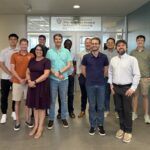 September 28th, 2025 | The University of Texas at Austin Juan P. Maestre Some of the participants of the research exchange The Southeast Texas Urban Integrated Field Laboratory (SETx-UIFL) recently hosted a full-day research exchange with distinguished researchers from Brazil’s Federal University of Rio Grande do Sul (UFRGS) that exemplified the power of international partnerships in addressing resilience challenges. This event, part of a broader campus visit facilitated by Professor Fernanda Leite, UT Austin’s Interim Vice President for Research and SETx CoPI, brought together expertise from two continents and demonstrated the institutional commitment to international scientific cooperation. This partnership emerged… Read more: Brazil Resilience and Disaster Response and SETx-UIFL Research Exchange